
UNDERWATER INSPECTION FOR GROUNDING DAMAGE
 Grounding damage occurs when a vessel makes unintended contact with the seabed or a submerged object during its voyage. This type of incident can result in various forms of damage to the vessel and potentially lead to environmental and safety concerns
BEVALDIA, using our experienced diving team, photo and video equipment, and ultrasonic thickness and measurement tools, can provide a detailed and specific breakdown (per area) of the damage sustained due to the grounding of the vessel in our damage assessment report which will also includes sketches of the affected areas.
SHIP GROUNDING
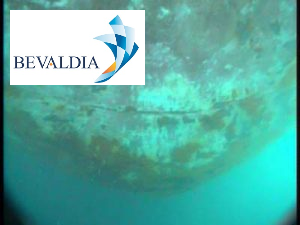
Here’s a breakdown of grounding damage during a vessel’s voyage:
1) Hull Damage: The most common type of damage resulting from grounding is hull damage. When a vessel runs aground, the force of impact can cause dents, punctures, or even breaches in the hull structure. This can lead to water ingress, compromising the vessel’s buoyancy and potentially causing it to take on water.
2) Structural Damage: In addition to hull damage, grounding can also cause structural damage to other components of the vessel, such as bulkheads, frames, and keel structures. The force exerted during the grounding can lead to deformation or fracture of these structural elements, weakening the vessel’s overall integrity.
3) Machinery and Equipment Damage: Grounding incidents can also result in damage to the vessel’s machinery and equipment. Components such as propellers, rudders, and shafts may suffer impact damage or become entangled with debris on the seabed, impairing their functionality and requiring repairs or replacement.
4) Environmental Impact: Grounding can have significant environmental consequences, particularly if it occurs in sensitive marine ecosystems or near coastal areas. Spillage of fuel or hazardous materials from the vessel’s tanks can lead to pollution of the marine environment, posing risks to marine life and ecosystems. Containment and cleanup efforts may be required to mitigate the environmental impact of a grounding incident.
5) Navigational Hazards: A grounded vessel may obstruct navigational channels, posing hazards to other vessels operating in the vicinity. This can disrupt maritime traffic and require intervention from authorities to establish safety zones, conduct salvage operations, or implement navigational aids to prevent further incidents.
6) Operational Disruption: Grounding damage can result in operational disruption for the vessel and its owners. Depending on the extent of the damage, the vessel may be immobilized or require repairs at a shipyard, leading to delays in scheduled voyages, loss of revenue, and additional expenses associated with salvage, towing, and repairs.
REPAIRS FOLLOWING GROUNDING DAMAGE

Repairs to a vessel following grounding damage can vary depending on the extent and nature of the damage. Here are some common repair methods:
1) Hull Repair: Repairing hull damage is typically a priority after a grounding incident. Depending on the severity of the damage, repairs may involve patching small punctures or welding new plates to replace sections of the hull that have been severely damaged. Specialized welding techniques and materials may be used to ensure the structural integrity of the hull is restored.
2) Structural Reinforcement: If structural elements of the vessel, such as bulkheads, frames, or keel structures, have been damaged, reinforcement or replacement may be necessary. This can involve welding additional bracing or stiffeners to strengthen weakened sections or replacing damaged components entirely.
3) Machinery and Equipment Repair or Replacement: Machinery and equipment that have been damaged as a result of grounding may require repair or replacement. This can include repairing bent or damaged propeller blades, realigning shafts, or replacing damaged propulsion systems, such as propellers or thrusters.
4) Interior Damage Repair: In addition to external damage, grounding incidents may cause interior damage to the vessel, such as damage to cargo holds, accommodations, or systems. Repairing interior damage may involve structural repairs, replacement of damaged fixtures or fittings, and restoration of electrical, plumbing, or HVAC systems.
Do you want a reliable partner for underwater inspection for grounding?
Looking for a reliable partner for underwater inspection for grounding?